Search News
Industry Portal
Hot Articles
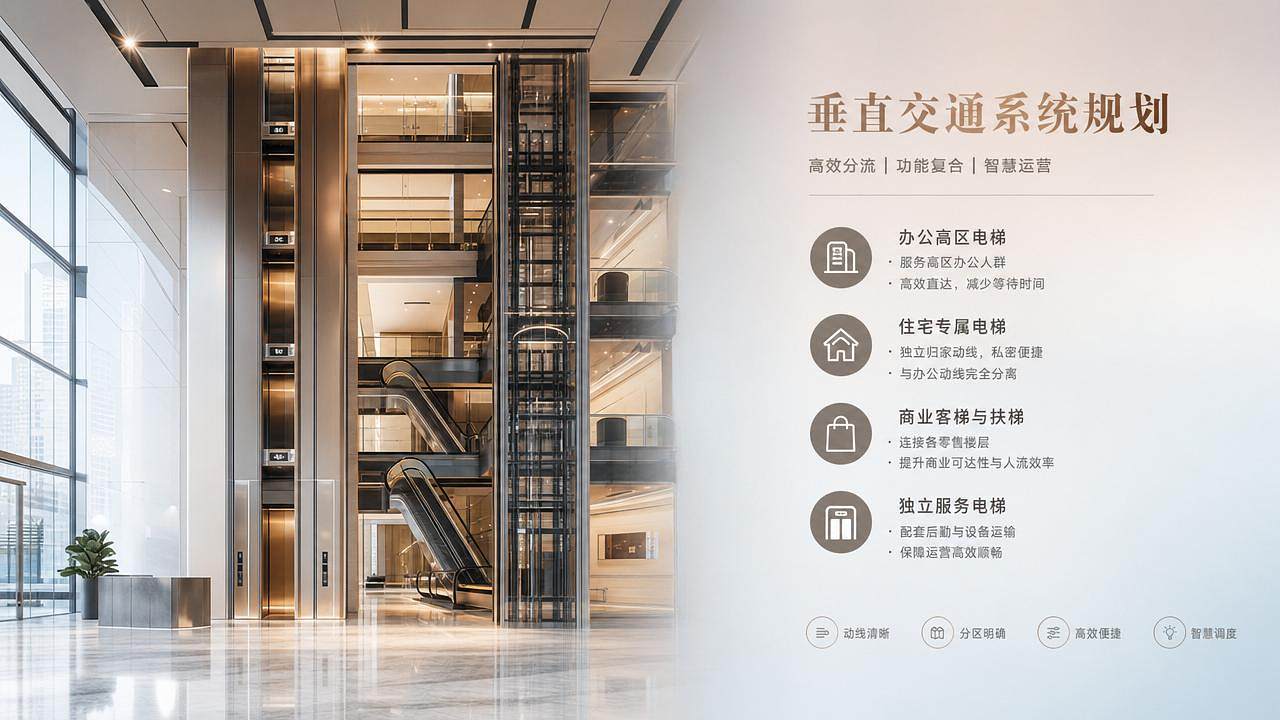
- Vertical Transportation Systems in Mixed-Use Buildings: How to Plan for Peak TrafficVertical Transportation Systems planning is key to reducing peak-time congestion in mixed-use buildings. Discover smart zoning, traffic mapping, and lifecycle strategies for smoother flow.
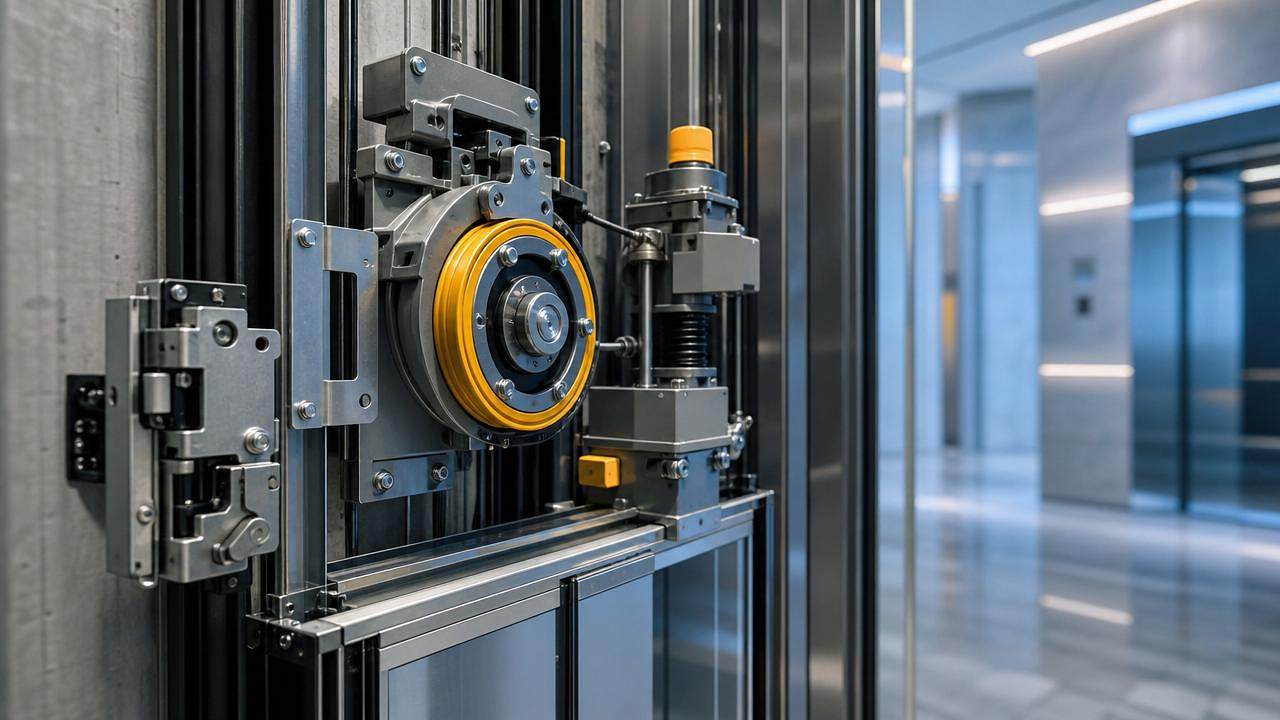
- Elevator Safety Systems Checklist: Overspeed Protection, Door Locks, and Emergency RescueElevator Safety Systems checklist for smarter inspections: learn how overspeed protection, door locks, and emergency rescue reduce risk, improve compliance, and protect passengers.
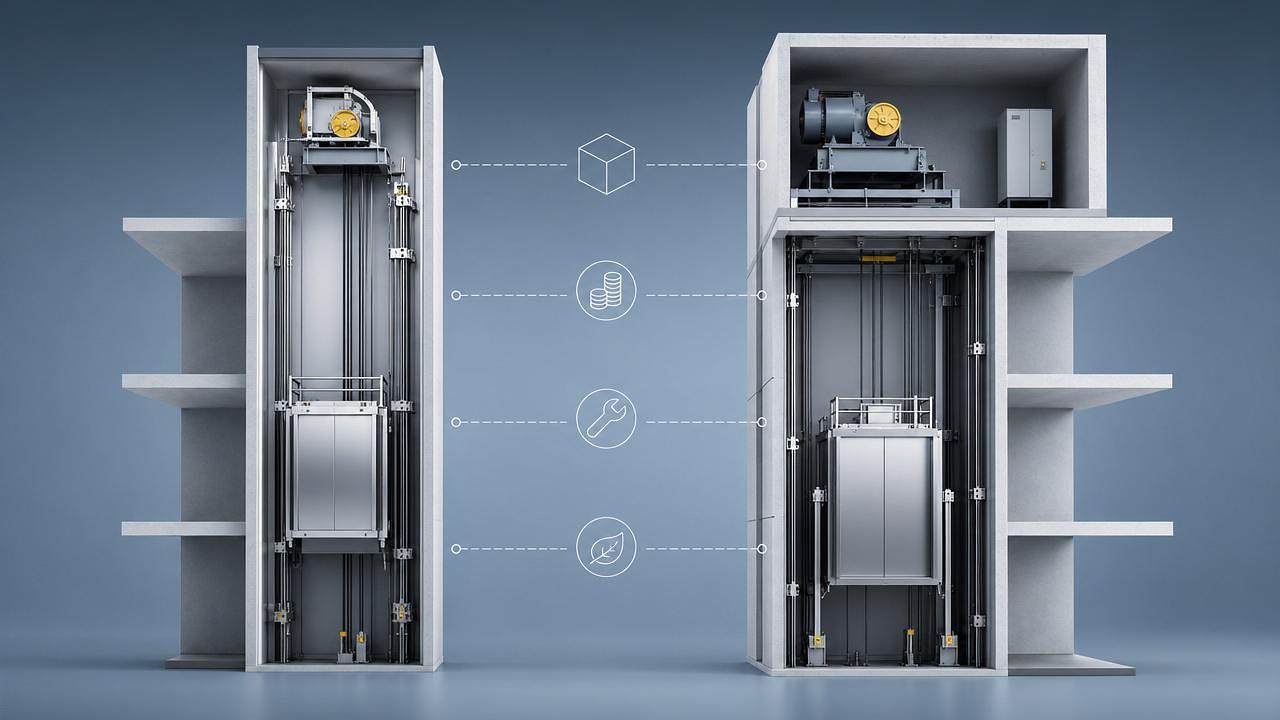
- Machine Room-Less Elevators vs Conventional Lifts: Space, Cost, and Maintenance Trade-offsMachine Room-Less Elevators vs conventional lifts: compare space savings, installation cost, maintenance trade-offs, and lifecycle ROI to choose the best fit for your building.
Popular Tags
Heavy-duty Escalators for Transit Hubs: What Specs Matter Most for 24/7 Operation?




Heavy-duty Escalators for Transit Hubs: What Specs Matter Most for 24/7 Operation?
For transit hubs that never sleep, choosing Heavy-duty Escalators is not just a capacity decision.
It is a long-term judgment about uptime, safety, fatigue resistance, and service access.
In metro stations, airports, and rail interchanges, traffic peaks are sharp and relentless.
That changes what matters most in Heavy-duty Escalators selection.
A lower purchase price may look attractive at tender stage.
But one major shutdown during rush hour can erase that saving quickly.
This is why serious evaluation starts with lifecycle resilience, not brochure claims.
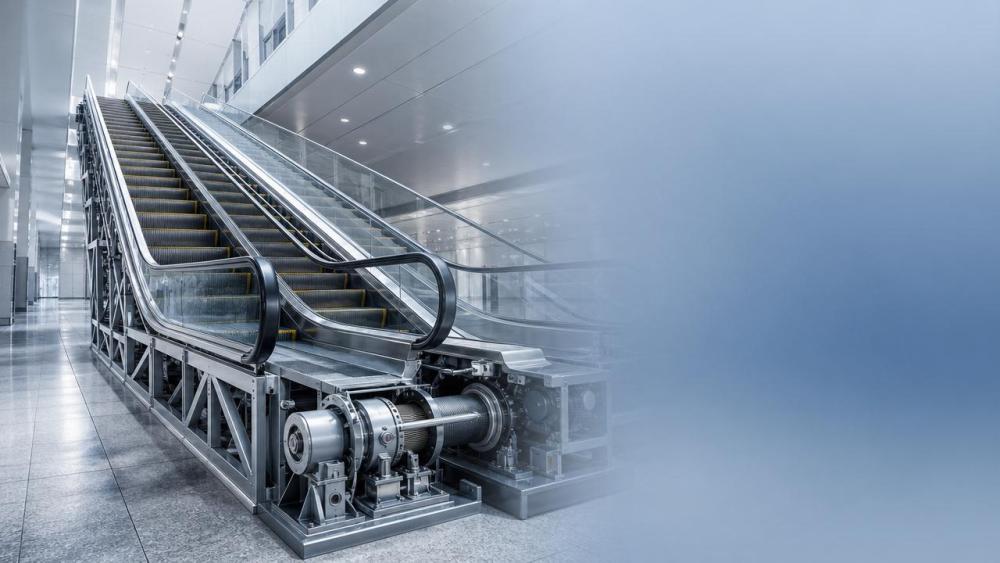
The most reliable Heavy-duty Escalators are designed for continuous duty, easier maintenance, and safer failure behavior under stress.
Start with the duty profile, not the catalog
Before comparing models, define the real operating environment.
Passenger flow in a suburban station is very different from a central interchange.
The same applies to airports with luggage, stadium connectors, and mixed-use terminals.
In practice, spec decisions should reflect five baseline questions:
- What is the peak passenger volume per hour?
- How many operating hours per day are expected?
- Will users carry luggage, carts, or heavy personal items?
- Is the site exposed to dust, humidity, or outdoor conditions?
- How fast must service teams restore operation after failure?
These answers influence every key spec in Heavy-duty Escalators procurement.
They also help prevent overbuying on one feature while missing a more important risk driver.
Structural strength matters more than many buyers expect
The truss is the backbone of Heavy-duty Escalators.
For 24/7 transit duty, truss rigidity and anti-fatigue design are critical.
Repeated loading creates vibration, alignment drift, and accelerated wear if the frame is underbuilt.
Look closely at these structural points:
- Truss steel thickness and reinforcement strategy
- Deflection limits under full passenger load
- Corrosion protection for humid or semi-outdoor sites
- Landing interface stability and installation tolerance
- Access panel layout for inspection and component replacement
A strong truss reduces secondary problems elsewhere.
It helps keep the step chain aligned and lowers abnormal noise over time.
That means fewer stoppages, fewer premature part changes, and lower total cost of ownership.
Step chain, drive system, and brakes decide real durability
If the truss is the skeleton, the chain and drive are the moving heart.
This is often where Heavy-duty Escalators separate from commercial building units.
Transit systems need components built for sustained torque, heat, and shock loading.
When reviewing technical data, focus on:
- Heavy-wear step chain design and tensile safety margin
- Drive machine rating under continuous operation
- Reducer durability and lubrication management
- Main brake redundancy and stopping performance
- Chain monitoring, speed monitoring, and rollback protection
Do not evaluate brake design as a checkbox item.
In crowded stations, braking behavior directly affects passenger safety and restart confidence.
Well-specified Heavy-duty Escalators combine robust mechanical braking with reliable monitoring logic and clean fault reporting.
Control systems should support energy savings without hurting readiness
Energy efficiency matters, but not at the expense of availability.
That is why VVVF control is so important in modern Heavy-duty Escalators.
It supports smoother starts, lower mechanical shock, and intelligent standby modes.
Still, decision makers should ask how the logic behaves in real traffic:
- How quickly does the unit return from standby to rated speed?
- Does passenger detection work reliably in varied lighting?
- Can acceleration be tuned for comfort and safety?
- Are faults visible through remote diagnostics?
- Does the controller support predictive maintenance integration?
From a lifecycle view, controls are not just about power savings.
They shape wear patterns, troubleshooting speed, and maintenance planning quality.
Heavy-duty Escalators with strong diagnostic capability usually recover faster from faults and generate better service data.
Safety details deserve a deeper review than basic code compliance
Code compliance is essential, but it is only the starting line.
High-volume transit sites need safety systems that remain dependable under abuse and contamination.
A practical review should include:
- Comb plate impact protection and debris resistance
- Skirt protection and step-to-skirt gap management
- Handrail entry protection and handrail speed monitoring
- Emergency stop access and visibility
- Fire interface and station-wide shutdown coordination
The better signal is not how many safety devices are listed.
It is how those devices perform after years of dust, vibration, and heavy public use.
Reliable Heavy-duty Escalators are engineered for fail-safe behavior, not just test-room compliance.
Maintenance access often determines uptime more than premium materials
This is where many procurement teams change their view.
Even excellent Heavy-duty Escalators lose value if critical components are hard to reach.
Transit operators care about mean time to repair, spare part access, and inspection speed.
During evaluation, check for:
- Safe and wide maintenance access points
- Modular replacement of wear components
- Availability of local spare parts inventory
- Digital maintenance logs and remote support
- Service interval recommendations tied to actual duty cycles
In actual operations, downtime costs go beyond repair labor.
They include passenger congestion, staff intervention, reputational damage, and safety exposure.
That is why maintainability should carry real scoring weight in any Heavy-duty Escalators selection matrix.
A simple decision framework for comparing Heavy-duty Escalators
A structured comparison helps avoid spec drift and vendor-led bias.
The table below highlights the factors that usually deserve the most weight.
A useful procurement approach is to weight uptime and maintainability above cosmetic features.
That usually leads to better outcomes over a 15 to 20-year operating horizon.
What a better final specification usually looks like
A strong Heavy-duty Escalators brief is specific, measurable, and site-based.
It does not rely on generic language like heavy-duty grade or transit-ready design.
Instead, it should clearly define:
- Expected peak loading and daily operating hours
- Required safety functions and monitoring points
- Environmental protection needs
- Acceptable downtime and service response targets
- Data, diagnostics, and maintenance reporting requirements
That level of detail makes vendor comparison far more meaningful.
It also reduces disputes later about performance, handover quality, and maintenance scope.
For 24/7 transit hubs, the best Heavy-duty Escalators are rarely the cheapest units on paper.
They are the systems that keep moving safely, recover quickly, and stay economical across years of nonstop public use.
Recommended News
 High-speed Tower ElevatorsJun 09, 2026Vertical Transportation Systems in Mixed-Use Buildings: How to Plan for Peak Traffic
 Overspeed Governors & Safety CatchesJun 09, 2026Elevator Safety Systems Checklist: Overspeed Protection, Door Locks, and Emergency Rescue
 Machine Room-Less ElevatorsJun 09, 2026Machine Room-Less Elevators vs Conventional Lifts: Space, Cost, and Maintenance Trade-offs
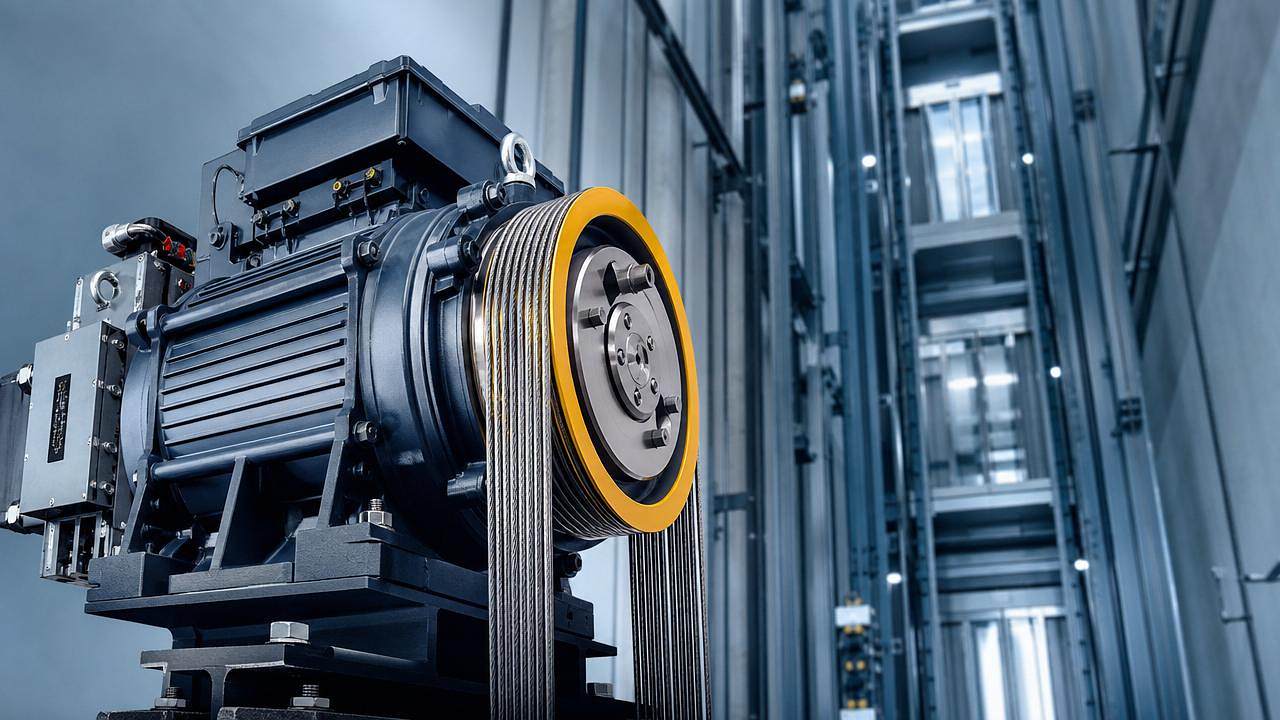
 PMSM Gearless Traction MachinesJun 09, 2026PMSM Traction Machines: How Efficiency, Torque Density, and Heat Rise Affect Selection